
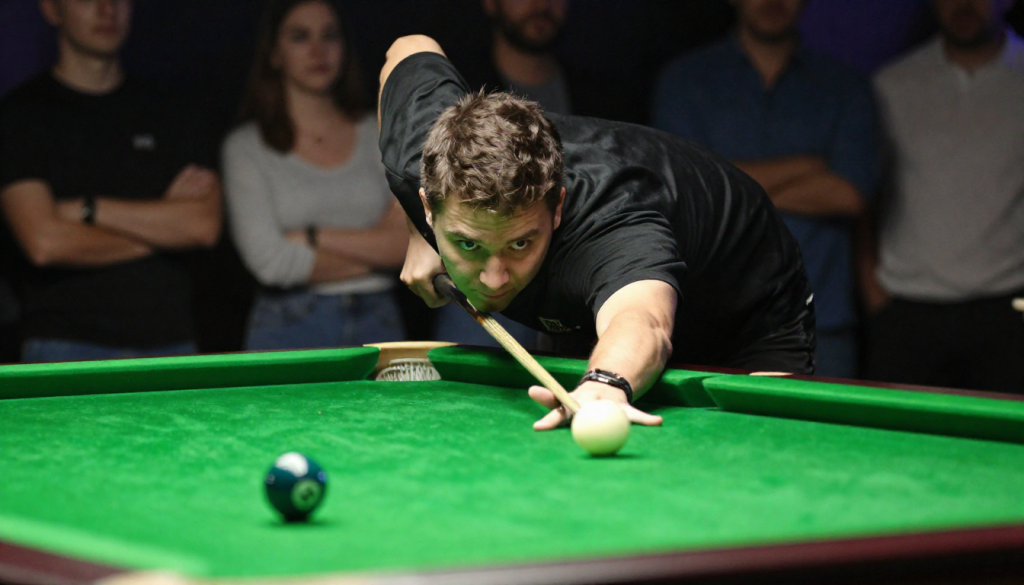
Success in pool is as plenty intellectual as it is miles beyond bodily. Joseph Schmidt’s revelry indicates that a participant’s attitude determines performance. Every shot calls for clarity, staying power, and planned movement. Learning to control your mind when playing pool ensures regular precision and allows you to save yourself from distractions affecting results. Players frequently underestimate the strength of consciousness, yet mental fortitude distinguishes champions from average players. Schmidt demonstrates that based practice, reflection, and attitude in sporting activities enhance each person’s self-assurance and talent. By gaining knowledge of intellectual control, players not simply elevate their sport but additionally enjoy every fit with reduced pressure and elevated pride.
Mental Discipline to Control Your Mind When Playing Pool
A sturdy intellectual framework is essential for steady performance. Schmidt emphasizes that the field begins before a player even approaches the table. Establishing routines, visualizing shots, and working towards mindfulness create the inspiration to control your mind when playing pool. Additionally, players who incorporate strategies from mind education for pool gamers’ e-books can enhance attention, manage stress, and reduce mistakes. Mental sporting activities improve concentration, while attention to posture and breathing helps cognitive clarity. Schmidt additionally highlights reviewing past video games to pick out concept patterns that affect overall performance. Consequently, the mental area becomes a repeatable talent, allowing players to remain calm under pressure. By integrating dependent intellectual exercise, players step by step toughen consciousness, resilience, and strategic thinking. This method ensures that the mind publishes action correctly, rather than letting tension or distraction dictate consequences.
Maintaining Focus Amid Distractions
Distractions are inevitable, yet gaining knowledge of interest units pinnacle players aside. Schmidt’s methods educate gamers to anchor attention on the prevailing shot. By looking at breathing and controlling inner speak, a participant stabilizes recognition. Moreover, repetitive drills beef up mental stamina, lowering vulnerability to pressure or fatigue. Players who undertake strategies from mind training for pool players book increase long-term attention control, which complements decision-making and response time. Schmidt emphasizes that consciousness is an ability cultivated through the years, requiring patience, planned practice, and reflection. Each shot becomes an intellectual exercise, linking method with precision. Additionally, integrating lessons from mind training for pool players book continuously builds mental resilience. By training the mind consistently, gamers strengthen focus, reduce mistakes, and ultimately enhance overall performance and enjoyment in the game.
Visualizing Success and Strategic Thinking
Visualization is a powerful device for improving outcomes. Schmidt demonstrates that imagining particular photographs and anticipating outcomes strengthens neural pathways. This approach, combined with intentional practice, allows gamers to manipulate their thoughts while playing pool through aligning thought with movement. Strategic thinking entails assessing dangers, predicting opponent moves, and making plan sequences. Schmidt’s routines also integrate brief reflection periods between video games to evaluate overall intellectual performance and modify strategies. By linking visualization with analysis, players develop each cognitive flexibility and self-belief. Regularly making use of those techniques guarantees that mental readability enhances technical capabilities. Consequently, gamers end up adept at retaining composure, executing calculated shots, and maintaining top overall performance.
Training Your Mind for Pool and Longevity
Long-term mastery demands non-stop mental training. Schmidt’s technique encourages gamers to practice Training yourself for pool via focused sports, goal placing, and stress management. Incorporating a mirrored image after each match permits identification of weaknesses and refinement of concept styles. Mental resilience becomes important, assisting not only the simplest steady performance but also leisure and longevity in the game. By integrating everyday recognition exercises, visualization, and self-evaluation, players build an attitude that transforms challenges into possibilities. Schmidt suggests that intellectual preparedness is as crucial as physical talent, and disciplined mind training leads to enduring achievement, satisfaction, and increase in the sport.
Celebrating Progress and Enhancing Confidence
Recognizing development reinforces motivation and commitment. Each successful shot, strategic choice, or sustained recognition session boosts self-belief. Players who constantly manipulate your mind when gambling pool note faster improvement and further amusement. Schmidt emphasizes that celebrating small wins nurtures every skill improvement and intellectual fortitude. By reflecting on achievements, game enthusiasts keep engagement, reduce tension, and cultivate staying energy. This mind-set also encourages prolonged-time-period dedication, as each consultation turns into an opportunity for improvement instead of pressure. Consistent mental exercise, self-mirrored image, and acknowledgment of development in the end create a cycle of boom, mastery, and delight in pool.
Conclusion
Joseph Schmidt’s methods highlight why getting to know the mind is vital in pool. Learning to control your mind when playing pool complements consciousness, method, and consistency. Mental subjects, visualization, and based routines enhance self-assurance and resilience. Players who combine instructions from his technique broaden sustained interest, reduce mistakes, and experience every fit more fully. With regular practice and reflection, demanding situations end up practical, and skill improvement accelerates. Schmidt’s method demonstrates that combining cognitive education with bodily talent creates lasting success. Ultimately, manipulating your thoughts when playing pool empowers gamers to convert mental readability into superior performance, turning every recreation into a possibility for boom, precision, and entertainment.